

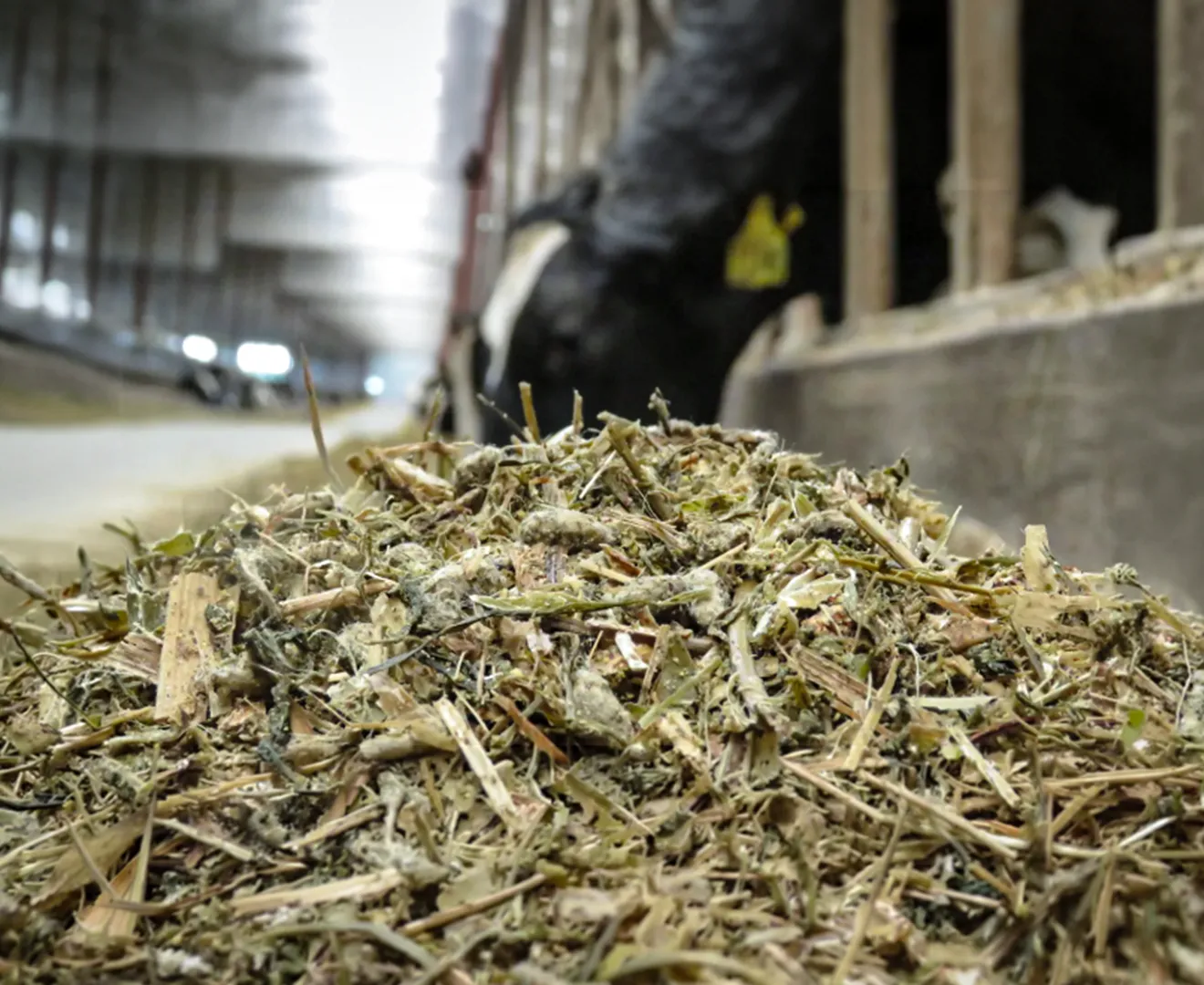
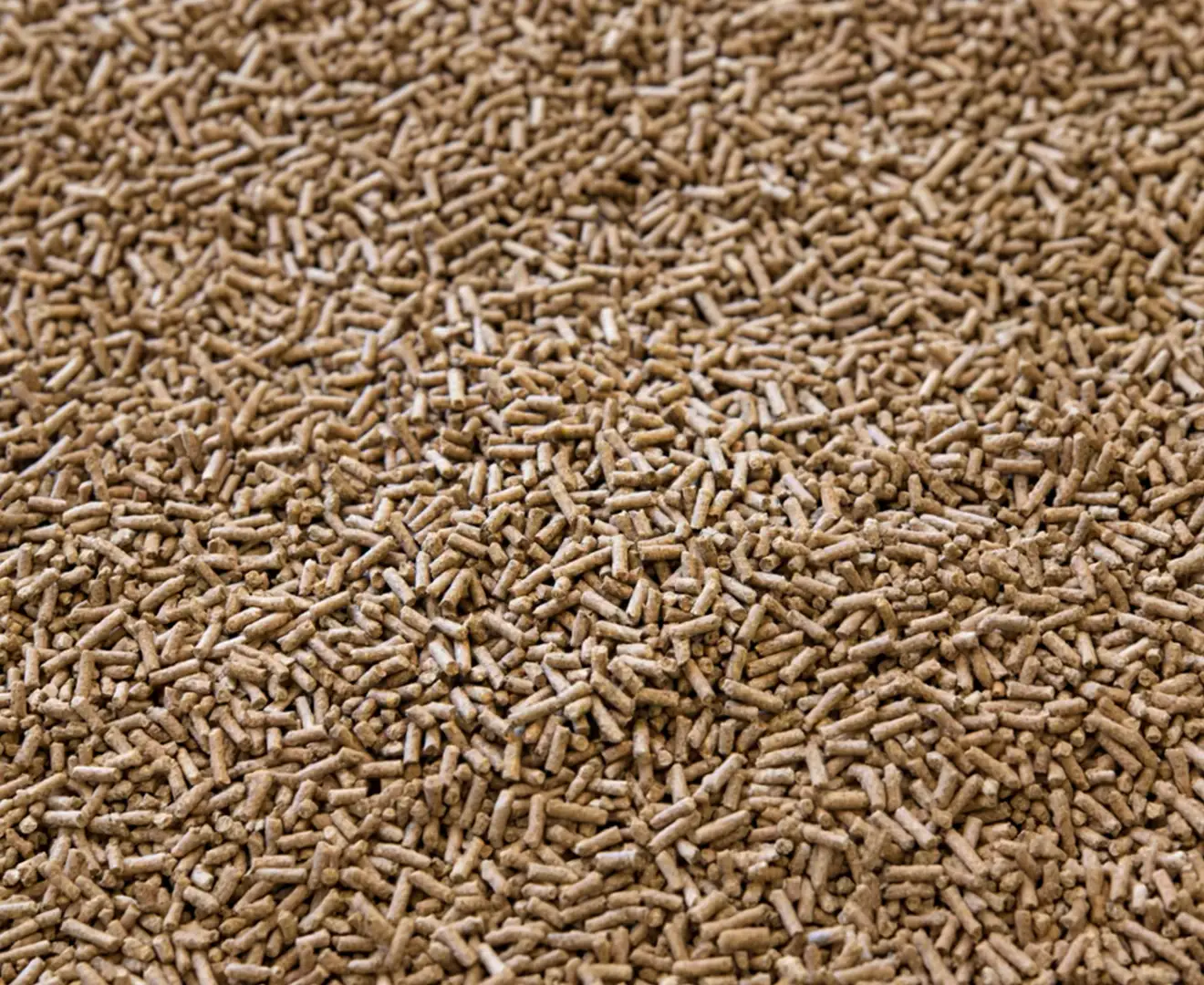
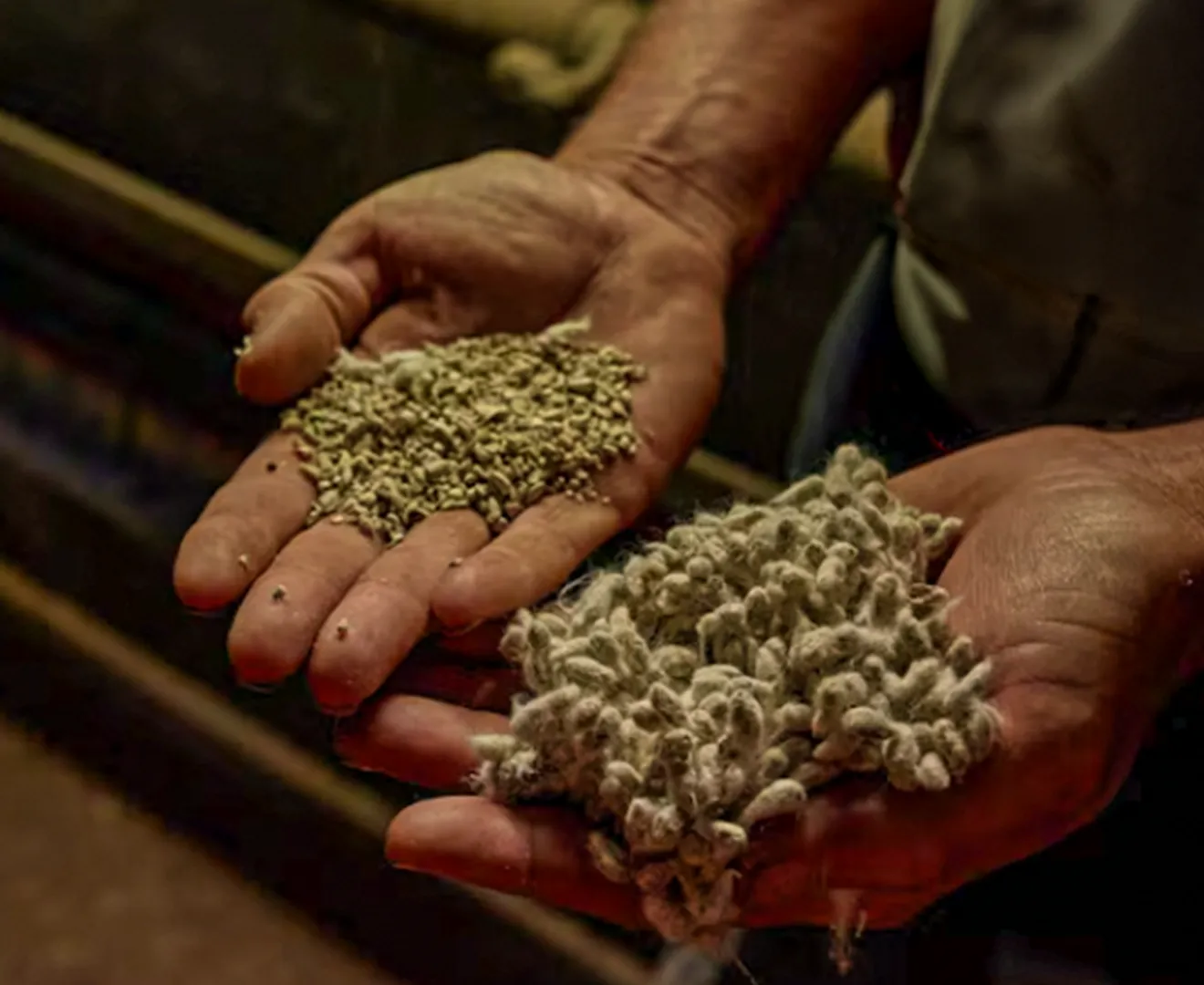
If you’ve ever opened a bag of feed and noticed something that looks like cotton, you’re not alone. Many livestock feeds contain cottonseed hulls, a natural byproduct of cotton processing that plays a valuable role in animal nutrition.
What You'll Experience
After cotton is harvested, the seeds are separated from the fiber at a cotton gin. While the cotton fiber goes on to the textile industry, the remaining seeds are processed into products such as cottonseed oil and cottonseed hulls—both of which can be used in animal feed. These hulls may appear unusual at first glance, but they provide meaningful nutritional benefits that support animal health and digestion.
Understanding what goes into your feed helps you make better nutrition decisions for your animals. When learning about cottonseed hulls in feed.
Key Highlights:
Why cottonseed hulls appear in certain feed blends
How fiber supports digestion in livestock and other animals
The role fiber plays in balanced feed formulations
How byproducts from agriculture can provide valuable nutrition
Why ingredients that look unusual can still serve an important purpose in feed
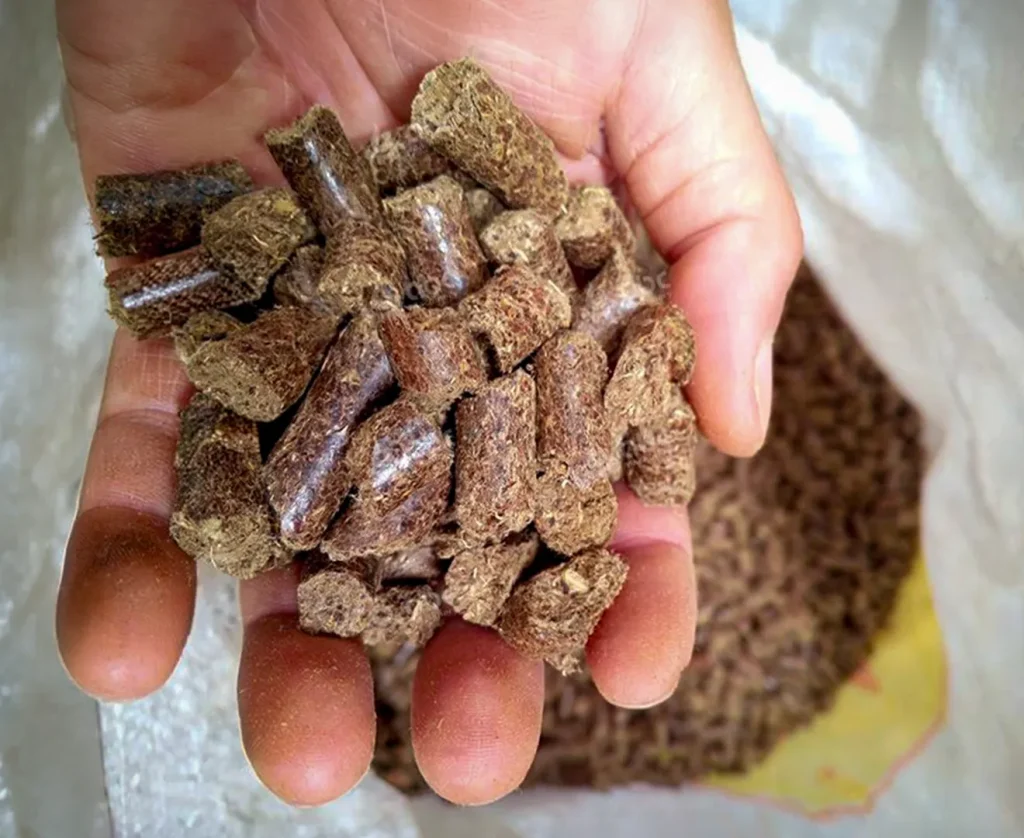
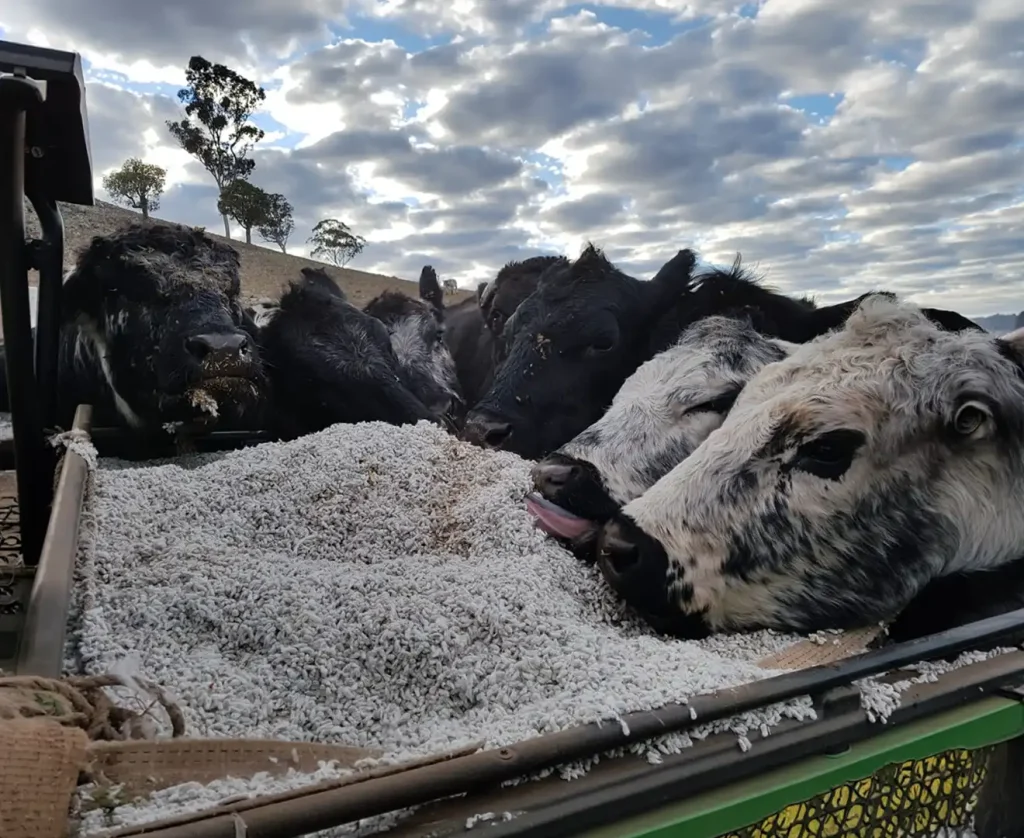
Not Just for Cattle
While cottonseed hulls are commonly associated with ruminant livestock, they can also benefit other animals. Horses and other species rely on fiber to maintain digestive health and reduce the risk of digestive disturbances.
Because of this versatility, cottonseed hulls are often included in feeds formulated for multiple livestock species, making them a practical and beneficial ingredient in well-balanced rations.
Simple Ingredients. Big Benefits.
Cottonseed hulls may look unusual in a feed ration, but they are a practical and beneficial ingredient. As a byproduct of cotton production, they provide a sustainable source of fiber that improves feed structure, supports digestion, and helps livestock utilize nutrients more efficiently.
For farmers and animal owners, understanding what goes into feed helps ensure animals receive the proper balance of nutrition for healthy growth and long-term performance.
Why it Matters
Fiber is a critical component in many animal diets, particularly for ruminant livestock such as cattle, sheep, and goats. Cottonseed hulls provide both soluble and insoluble fiber, helping stimulate rumen activity and supporting proper digestion.
For horses and other animals, fiber helps maintain a healthy digestive system by supporting gut movement and aiding nutrient absorption. Including fiber-rich ingredients like cottonseed hulls helps create balanced feed rations that promote healthy growth, proper digestion, and long-term animal wellness.
Understanding the role of fiber allows livestock owners to recognize that even simple ingredients can have a meaningful impact on the overall effectiveness of a feed program.
Practical Takeaways
When you encounter cotton-like fibers in feed, it’s helpful to remember the role they play in supporting your animals’ health.
- Cottonseed hulls are included primarily for their fiber content.
- Fiber supports healthy digestion and nutrient absorption in many animals.
- Ingredients that may look unusual often serve an important nutritional purpose.
- Balanced feed programs rely on the right mix of energy, protein, and fiber to support growth and performance.
Learn More:
To learn more about selecting the right feed for your animals and understanding how nutrition supports their growth and health, explore the Animal Husbandry resources available through Kawmix Feeds.

